1922 United Kingdom general election in Wales
 | |||||||||||||||||||||||||||||||||||||||||||||||||||||||||||||||||||||||||||||
15 November 1922
| |||||||||||||||||||||||||||||||||||||||||||||||||||||||||||||||||||||||||||||
All 36 Welsh seats to the House of Commons | |||||||||||||||||||||||||||||||||||||||||||||||||||||||||||||||||||||||||||||
|---|---|---|---|---|---|---|---|---|---|---|---|---|---|---|---|---|---|---|---|---|---|---|---|---|---|---|---|---|---|---|---|---|---|---|---|---|---|---|---|---|---|---|---|---|---|---|---|---|---|---|---|---|---|---|---|---|---|---|---|---|---|---|---|---|---|---|---|---|---|---|---|---|---|---|---|---|---|
| Turnout | 79.4% ( 13.5 pp) | ||||||||||||||||||||||||||||||||||||||||||||||||||||||||||||||||||||||||||||
| |||||||||||||||||||||||||||||||||||||||||||||||||||||||||||||||||||||||||||||
 | |||||||||||||||||||||||||||||||||||||||||||||||||||||||||||||||||||||||||||||

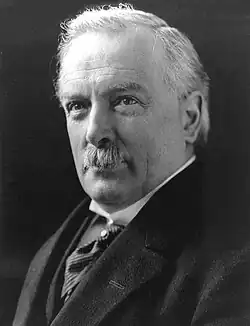

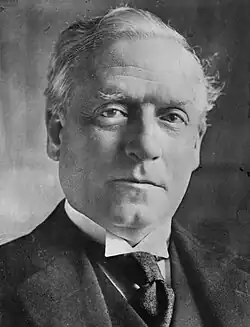
On Wednesday 15 November 1922, the 1922 United Kingdom general election was held in Wales, to elect all 615 members of the House of Commons, with 36 constituencies being in Wales. 35 seats represented territorial constituencies contested under the first past the post electoral system, and one additional seat represented the University of Wales which was also contested under the first past the post electoral system.[1]
Candidates
Below is a table summarising the candidates of the 1922 general election in Wales, excluding those in the University of Wales constituency.[2][3]
| Affiliation | Candidates | |
|---|---|---|
| Labour Party | 28 | |
| Conservative Party | 19 | |
| National Liberal Party | 19[f] | |
| Liberal Party | 11 | |
| Independent | 1[g] | |
| Independent Labour | 1[h] | |
| National Farmers' Union | 1[i] | |
| Total | 80 | |
Analysis
The Labour Party had entered the election as Wales' second largest party, and emerged from the election as the largest party in Wales. Future and first Labour Prime Minister of the United Kingdom Ramsay MacDonald entered Parliament in the seat of Aberavon, and held the seat until moving constituencies for the 1929 general election. The Labour Party would win plurality of the vote in every election in Wales up until 2009 elections to European Parliament.
The election saw major gains for the Labour Party, primarily from the Liberal Party and National Liberal Party. The Labour party gained Aberavon, Caernarvonshire, Merthyr, Neath, Pontypridd, Swansea East, Wrexham and Llanelly from the National Liberal Party (when compared to the National Liberal Party's predecessor, the Coalition Liberal Party). Independent candidate Richard Mathias stood under the badge of 'Independent and Anti-Socialist' in the Coalition Liberal/National Liberal held seat of Merthyr; however he was also supported by the National Liberal Party local Conservative association, and therefore unopposed by those parties. However, he was unsuccessful in the seat, leading to Labour gaining the seat from the National Liberal Party in comparison to 1918.
Labour candidate George Hall also gained Aberdare from incumbent National Democratic and Labour Party, overturning the 57.2 per cent majority from 1918. The sitting Member of Parliament Charles Stanton, who was part of the National Democratic and Labour Party, stood as a candidate for the National Liberal Party, as did all other sitting Members of Parliament for the NDLP at this election. He and all the others that did so lost their seats.
The Independent Labour candidate Owen Thomas retained the seat of Anglesey, which he had initially won in 1918 from the Coalition Liberals, therefore being a retention against the National Liberal Party at this election.
The Conservative Party also gained seats in Wales from the Liberal Party, as well as seeing the greatest increase in vote share of any party in Wales. Notably, the Conservative Prime Minister Bonar Law had only been in office since 20 October 1922, barely a month before the election was held. The Conservatives gained Cardiff East from the Liberal Party and Newport from the National Liberal Party. It was the first election after the consolidation of Welsh Provincial Associations of the Conservative and Unionist’s National Union.
The Liberal Party in Wales retained the seats of Montgomeryshire wherein incumbent Member of Parliament David Davies ran unopposed, as well as Merioneth in which Henry Haydn Jones won with a slightly increased vote share. The National Liberal Party under former Prime Minister David Lloyd George, who had resigned as Prime Minister on 19 October 1922 following the Carlton Club meeting and the break up of the Coalition Government, maintained nine of the its prior 18 seats in Wales. These were Lloyd George's Welsh seat of Caernarvon Boroughs, as well as Denbigh, Flintshire, Cardiganshire, Carmarthen, Pembrokeshire,[j] Brecon and Radnorshire and Swansea West. The National Liberals also retained its seat in the University of Wales constituency. Lloyd George's National Liberals therefore remained the larger of the two liberal parties in Wales and suffered a lower drop in vote share than the Liberal Party, though the Liberal Party under H. H. Asquith increased its seats and vote share across the rest of the United Kingdom.
County and borough constituency results
Below is a table summarising the constituency results of the 1922 general election in Wales, excluding the result in the University of Wales constituency.
| Party[4][3] | Seats | Aggregate votes | |||||||
|---|---|---|---|---|---|---|---|---|---|
| Total | Gains | Losses | Net | Of all (%) | Total | Of all (%) | Difference | ||
| Labour | 18 | 9 | 0 | 9 | 51.4 | 363,568 | 40.8 | 10.0 | |
| National Liberal | 8 | 0 | 9 |  9[b] | 22.9 | 230,961 | 25.9 | 4.8 | |
| Conservative | 6 | 2 | 0 | 2 | 17.1 | 190,919 | 21.4 | 10.1 | |
| Liberal | 2 | 0 | 1 | 1 | 5.7 | 74,996 | 8.4 | 9.8 | |
| Independent Labour | 1[k] | 0 | 0 |  | 2.9 | 11,929 | 1.3 | 1.9 | |
| Independent | 0 | 0 | 0 | | — | 15,552 | 1.7 | 1.2 | |
| Farmers' Union | 0 | New | — | 4,775 | 0.5 | New | |||
| Others | 0 | 0 | 1 | 1[l] | — | 0 | 0.0 | | |
| Total | 35 | 892,700 | 79.4[5] | 13.5 | |||||
University of Wales result
Below is a table summarising the 1922 constituency results for seat of the University of Wales constituency.[3] The National Liberal Party retaining the seat brought the party's total in Wales to nine seats out of the possible 36.
| Party | Candidate | Votes | % | ±% | |
|---|---|---|---|---|---|
| National Liberal | Thomas Arthur Lewis | 487 | 39.5 | –41.3 | |
| Liberal | Ellis Ellis-Griffith | 451 | 35.9 | New | |
| Labour | Olive Wheeler | 309 | 24.8 | +5.6 | |
| Majority | 46 | 3.6 | −58.0 | ||
| Turnout | 1,247 | 87.2 | +1.4 | ||
| National Liberal hold | Swing | ||||
See also
Notes
- 1 2 Seat count includes the National Liberal Party seat in the University of Wales constituency.
- 1 2 National Liberal decline is compared to Coalition Liberal results in 1918.
- 1 2 3 4 5 6 7 8 Total and percentage votes given here are for territorial constituencies only.
- ↑ Results of Welsh Provincial Associations of the Conservative and Unionist’s National Union which combined under the Conservative Party in Welsh constituencies
- ↑ Conservative increase is compared of Welsh Provincial Associations of the Conservative and Unionist’s National Union which combined under the Conservative Party in Welsh constituencies
- ↑ This figure includes candidate Charles Stanton in Aberdare, who stood as a National Democratic and Labour Party candidate in 1918, but who (and whose party) stood as a National Liberal candidate in this election.
- ↑ Candidate Richard Mathias in Merthyr stood under the badge of 'Independent and Anti-Socialist'; however was supported by the National Liberal Party and local Conservative association, and therefore unopposed by those parties.
- ↑ Candidate Owen Thomas stood in Anglesey.
- ↑ Candidate David Johns stood in Carmarthen.
- ↑ The Member of Parliament for the seat was Lloyd George's son Gwilym Lloyd George.
- ↑ Owen Thomas in Anglesey.
- ↑ National Democratic and Labour Party Members of Parliament stood under the National Liberal Party banner at this election; however, the only former NDLP Member of Parliament for Wales, Charles Stanton, who also stood as a National Liberal candidate, lost Aberdare to Labour.
References
- ↑ "Research Briefing: Voting systems in the UK". Library of the House of Commons. 10 January 2023. Retrieved 7 August 2026.
- ↑ Cracknell, Richard; Uberoi, Elise; Burton, Matthew (9 August 2023). "UK Election Statistics: 1918-2023, A Century of Elections" (PDF). House of Commons Library. p. 23. Retrieved 8 August 2026.
- 1 2 3 "UK General Elections Results 1832-2019". Retrieved 12 August 2026.
- ↑ Cracknell, Richard; Uberoi, Elise; Burton, Matthew (9 August 2023). "UK Election Statistics: 1918-2023, A Century of Elections" (PDF). House of Commons Library. pp. 22–23. Retrieved 8 August 2026.
- ↑ Cracknell, Richard; Uberoi, Elise; Burton, Matthew (9 August 2023). "UK Election Statistics: 1918-2023, A Century of Elections" (PDF). House of Commons Library. p. 29. Retrieved 8 August 2026.

| Senedd elections | |
|---|---|
| UK elections |
|
| Local elections | |
| Referendums | |