In classical antiquity most of present-day North Macedonia corresponded to the ancient regions of Paeonia and Pelagonia. In the late-6th century BC, most of the area was subjugated by the Persian Empire, and then incorporated into the kingdom of Macedonia by the mid-4th century BC. Rome conquered the region by the mid-2nd century BC and made it part of its larger province of Macedonia. The area remained part of the Byzantine Empire, but was often raided and settled by Slavic tribes beginning in the 6th century CE. Following centuries of contention between the Byzantine and Bulgarian empires, it became part of the Serbian Empire in the mid-14th century, and then it was part of the Ottoman Empire from the late-14th century until the Balkan Wars (1912-1913), when it came under Serbian rule. (Full article...)
Selected article -
An armed conflict began in the Republic of Macedonia in 2001 when the ethnic AlbanianNational Liberation Army (NLA) insurgent group, formed from veterans of the Kosovo War and insurgency in the Preševo Valley, attacked Macedoniansecurity forces at the end of January 2001, and ended with the Ohrid Agreement, signed on 13 August of that same year. There were also claims that the NLA ultimately wished to see Albanian-majority areas secede from the country, though high-ranking members of the group have denied this. The conflict lasted throughout most of the year, although overall casualties remained limited to several dozen individuals on either side, according to sources from both sides of the conflict. With it, the Yugoslav Wars had reached Macedonia, which had achieved peaceful independence from Yugoslavia in 1991. (Full article...)
... about the Stone town, situated by the Kuklica village in the Kratovo area. According to the sources, the stone figures that are called Dolls by the local population, date from the ancient prehistory...


 Medieval Orthodox monastery of Saint Naum, on lake Ohrid
 Carev Vrv, Osogovo Mountain
 The historical center of the city of Bitola

 Mount Zlatovrv, north of Prilep

 Heraclea Lyncestis, ancient city near Bitola: the Byzantine "Small Basilica"
 "The Lamentation of Christ" (1164), a fresco from the church of Saint Panteleimon in Nerezi near Skopje
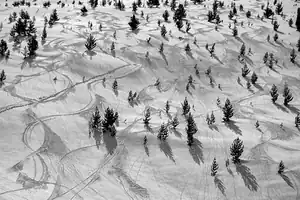
 Lake Kozjak in winter
 The monastery of Saint Nicholas in Šiševo

 Commons
 Wikidata
 Wikiquote
 Wikisource
 Wikiversity
 Wikivoyage
 Wiktionary


 List of all portals






 Random portal
 WikiProject Portals