1926 Ontario general election
 | |||||||||||||||||||||||||||||||||||||||||||||||||||||||||||||||||||||||
December 1, 1926
| |||||||||||||||||||||||||||||||||||||||||||||||||||||||||||||||||||||||
112 seats in the 17th Legislative Assembly of Ontario 57 seats were needed for a majority | |||||||||||||||||||||||||||||||||||||||||||||||||||||||||||||||||||||||
|---|---|---|---|---|---|---|---|---|---|---|---|---|---|---|---|---|---|---|---|---|---|---|---|---|---|---|---|---|---|---|---|---|---|---|---|---|---|---|---|---|---|---|---|---|---|---|---|---|---|---|---|---|---|---|---|---|---|---|---|---|---|---|---|---|---|---|---|---|---|---|---|
| |||||||||||||||||||||||||||||||||||||||||||||||||||||||||||||||||||||||
| |||||||||||||||||||||||||||||||||||||||||||||||||||||||||||||||||||||||


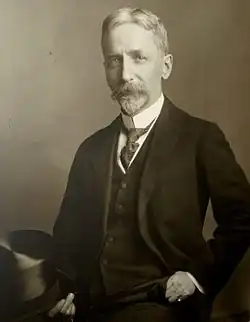
The 1926 Ontario general election, frequently referred to as the temperance election, was the 17th general election held to determine the government for the Province of Ontario, Canada. It was held on December 1, 1926, to elect the 112 Members of the 17th Legislative Assembly of Ontario ("MLAs").[1] The election was predominantly contested over the government's proposal to replace prohibition with a government operated alcohol sales regime. The incumbent Conservative government, led by Premier Howard Ferguson, was re-elected for a second term in government with a majority mandate.
Background
Two elections prior, the 1919 election, brought a complete realignment of political landscape in Ontario. It ended the Conservative-Liberal duopoly that persisted for the first half century of Ontario's existence. In that election, the new United Farmers of Ontario unexpectedly won two-fifth of the seats with only a fifth of the votes, and form a coalition government with the Labour Party, another party that had never entered government prior. The incumbent Conservative was render to third party status and the sitting Premier lost his own seat, the first occurrence of either of those events in Ontario, even though they actually won the largest share of the popular vote and by a sizable margin. The impact of that election continued to linger for the players in the 1926 election.
Partisan dynamics
Premier Ferguson was first elected in the 1905 election that ousted a three decade-old Liberal government and gave the province its first true Conservative administration led by James Whitney, and was recognized as a highly capable minister in the Hearst ministry and a skillful political organizer for the party, so much so he was entrusted to manage the party campaign in the disasterous 1919 election. When he was given the task to rebuilt the party from the 1919 rubble in 1920, he was viewed, even by some peers in his party, in those early days with skeptism suspicion, as he had developed a reputation of being too establishment, too Machiavellian, too flexible, likely corruptible. Once in government however, he quickly converted the doubters by presiding over a competent and pragmatic administration while running an efficient and disciplined political machine.
The Liberals, with their hopes of returning to power dashed in that 1919 election took a different route. They acted on their misgiving on their leader Hartley Dewart, a long-time nemesis of Ferguson, blaming him for devoting too much fire power on the Conservatives, on attacking Ferguson and on winning new grounds in the cities. Dewart was also against prohibition, openly questioned its unconstitutionality long before Ferguson ceased the issue. The Liberals pushing him out likely have removed a potent future rival for Ferguson. They leaned back on their rural base was led by Perth MPP Wellington Hay into the 1923 campaign, during which they lost half their seats, including Hay's. A dispirited rump, they entered the 1926 election being led by the lackluster interim leader W. E. N. Sinclair.
After losing the 1923 election after only one term in government, UFO general secretary James J. Morrison announced the organization's withdrawal from electoral politics without consulting the UFO parliamentary caucus. The party apparatus led by Morrison were often in dispute with the parliamentary wing during UFO's time in government. Fully recognizing that Sinclair would make a much weaker rival, Ferguson shrewdly exploited the infighting within UFO and blocked its leader Manning Doherty from becoming opposition leader citing Morrison's statement. In response, and probably pinning their hope in the federal Progressive in the 1921 election, the UFO caucus rebranded as the Progressive Party's Ontario wing. However following Doherty's retirement and the selection of former Attorney-General William Edgar Raney as leader, two of its member, Leslie Oke and Beniah Bowman, split from the group, and returned to their previous designation as United Farmers. Bowman resigned before the 1926 election. The distinction was largely ignored by the mainstream press in any event. While news reports would acknowledge Oke and candidates recruited by him as Farmers candidate, they were counted in the Progressive Party's tally in post election reports.
Temperance election
The principal issue of the campaign was the government's proposal to repeal the Ontario Temperance Act, replacing prohibition with government control of liquor sales. The Daily British Whig described it as "the greatest issue that has ever been placed before [the voters]".[2] The issue pit the government against a united front of the two opposition parties the Ontario Prohibition Union.
Temperance advocates were particularly incensed by such a proposal so soon after the 1924 Ontario prohibition referendum where the temperance side secured a narrow victory. The overlooked the political considerations that confronted Ferguson. The large cities, the bedrock of Conservative support, all voted overwhelmingly wet, while rural area where the opposition drew their strength predominantly voted dry.[3] The referendum made repealing prohibition both a policy and political imperative for the premier.
Additional labels
But the parties' positions respective positions were not uniformly shared within their ranks. For example, the fission in the Liberal caucus led four francophone caucus member to campaign under the banner of Independent Liberals to signal to voters that their intention to support the government on the issue, but would vote with their Liberal peers for everything else.[2] The issue causes problems for conservative members as well, as many have pleaded dry to their local community during the referendum. Ferguson's attorney general, William Folger Nickle, of the Nickle Resolution's fame a few years prior as an MP, stood on principal and resigned from cabinet on the eve of dissolution. He sought re-election under the Prohibition Union's banner in Kingston and was soundly defeated, an unsurprising result given the wet side won Kingston by 15 points in the referendum.[3]
A new political party?
The government proposal also forced the Ontario Prohibition Union, the leading pro-temperance platform and already a militant issue-focused lobby, to operate more like a political party. While they opted not to field "straight dry" candidates in all electoral districts as some of their leading members had advocated, they played an aggressive brokering role in ensuring the presence of a single strong candidate pledged to the dry cause in every electoral districts. In twenty-seven electoral districts they fielded straight prohibitionist candidates. Outside of Toronto, those candidates were all but in one instance the only opposition candidate in the field. (In Toronto and the one exception, Nipissing, the Liberal candidates in the field were wet, so any risk of vote split was on the wet side.)[2]
In a majority of the districts, the union was a key player in brokering agreements among pro-temperance candidates, whether through heavy handed pressure tactic or by facilitating formal public primary ballots. In a small number of districts, they even backed dry Conservative candidates. Some of the candidates endorsed by the Union sought to highlight the endorsement by campaigning under hyphenated-prohibitionist labels, including two elected members who campaigned as Liberal-Prohibitionists and one another who campaigned as Farmer-Prohibitionist.
The two main opposition parties mostly avoided campaigning against each other so to minimize the split of the temperance vote.[4] The polarized nature of this election also caused some local Liberal and Progressive associations to formally endorse the candidate for the other party in the district. About a dozen candidates campaiged as Liberal-Progressives or Progressive-Liberals. Four of them, the pair in Oxford county and the pair in Victoria county, were successful in their bids.[5][a] The presence of jointly nominated candidates left some residual issues to be resolved at the convening of the parliament.
The controverted election case that ultimately unseated Malcolm Alex McCallum, the Progressive members re-elected in Bruce South, paint a vivid picture of the Prohibition Union's aggressive role in narrowing the field. It was revealed during the trial that that Dr. A.J. Irwin, the president of the Ontario Prohibition Union (who was a public figure more prominent than most of the elected members due to his role as spokesman for the union) personally arranged multiple meetings convening the various pro-temperance candidates in Bruce county. The Union's South Bruce chapter president offered both the Liberal candidate John Anderson, a former MPP, and McCallum, the Progressive candidate and the incumbent MPP to reimburse their campaign expenses if they would withdraw in his favour, and was the primary driving force in actions that was the undoing of McCallum.[7] McCallum was the only elected member unseated from the 17th Parliament by court proceedings..
| Candidates | Con | Lib | Prog | L-P | UFO | Lab | I-Con | I-Lib | Ind-Prog | Proh | LL | L-Proh | LLP | Total |
|---|---|---|---|---|---|---|---|---|---|---|---|---|---|---|
| 1 | 3 | 3 | ||||||||||||
| 2 | 90 | 37 | 13 | 10 | 3 | 2 | 1 | 1 | 1 | 20 | 2 | 3 | 1 | 184 |
| 3 | 17 | 8 | 3 | 1 | 3 | 6 | 1 | 5 | 1 | 45 | ||||
| 4 | 1 | 1 | 1 | 1 | 4 | |||||||||
| 5 | 1 | 1 | 2 | 1 | 5 | |||||||||
| Total | 112 | 48 | 16 | 10 | 4 | 3 | 7 | 7 | 2 | 27 | 2 | 3 | 1 | 241 |
Acclamation
Three Conservatives were acclaimed, including a cabinet member, mines minister Charles McCrea.
The acclamation of Addington member William Black, who became speaker of this parliament, was a peculiar example of democracy denied by inadvertent errors and poorly drafted election law. The returning officers in that that instance erroneously ruled the candidate Frank Anglin's nomination paper to be invalid, and declared Black elected by acclamation at the close of nomination. Anglin sought to overturn the decision in the Ontario Supreme Court, which had no difficulty finding his nomination should have been accepted, a finding not contested by Black or the returning officer.[8] The returning officer actually sought the Court's permission to invalidate his own decision and conduct a by-election. However, since nominations was closed and Black was formally acclaimed, the Court's jurisdiction to overturn the acclamation was limited to a controverted election, which required the existence of corrupted election practice to establish.[9] Therefore, even thought none of the parties involved disputed that Black was acclaimed in error, the law as existed then provided no means for its correction.
| Riding | Party | Candidate | Reason[10] |
|---|---|---|---|
| Addington | William David Black | Nomination of F.A. Anglin (Prohibitionist) erroneously rejected by returning officer | |
| Essex North | Paul Poisson | E.P. Tellier (Liberal and incumbent MLA) withdrew his nomination | |
| Sudbury | Charles McCrea | Sole nominee |
Pre-election vacancy
When the legislature was dissolved, ten of its seat were vacant. Six of those seats had been vacant for over a year and a half, as those members left to contest the 1925 election, with two more leaving in advance of the 1926 contest. Where there were laws requiring byelections to be held, there was no central electoral authority at the time, and the duty of organizing polls felled on the shoulder of local returning officer. Since all but one of the resigned members were opposition members, Ferguson was in no hurry of filling them. With cooperation from the speaker, he was able to defer calling those byelections by leaving the returning offices also vacant. The seats that were vacant at dissolution were:
Vacant since April 1925 (6)
|
Vacant since August 1925 (1)
Vacant since April 1926 (2)
Vacant since October 1926 (1)
|
Redistribution of seats


Redistribution legislations were passed in 1925 and 1926 to realign various electoral districts.[11][12] While the two acts only netted an increase of 1 seat overall in the legislature, they effected significant rebalancing of seat allocations, shifting seats from rural areas where population growth have been stagnant to cities that have experienced rapid population growth.
Toronto and York Township
The City of Toronto, a reliable Conservative bastion in the early 1900s, grew both its population and its geographically size dramatically in the first two decades of the twentieth century. In the 1926 round of the redistribution, the four dual-member electoral districts in Toronto (a feature introduced in 1908 for purpose of gerrymandering and one that was increasingly untenable), were abolished and replaced by single-member seats. New seats were also created for the area newly annexed from York Township. The city's delegation to the provincial legislature jump from ten seats to fifteen seats, while the delegation of its surrounding York Township's delegation grew from three to four.
Elsewhere in Ontario
Toronto was not the only city that gain seats however. Ottawa, Hamilton, London, and Windsor each gain an additional seat, along with the Cochrane District in the Northeast. Since the legislature only grew by one seats, the cities' gains translated to significant losses of representation to the rural areas. The change reflected the rapid urbanization of Ontario's population in the early decades of the twentieth century. The rural area of southwestern and midwestern Ontario, the driver of Ontario's population growth for much of the nineteenth century, experienced the steepest reduction in representation. The countries of Grey, Bruce, Huron, Middlesex, and Wellington were all reduced from three to two, while Norfolk was reduced from two to one.
Raney complained that the net effect of the redistribution was to transfer up to 11 seats from rural to urban voters, and thus "to secure the re-election of the Ferguson Government".[13] While he was correct in his assessments of the effect, and his grievance entirely unsurprising given the Progressive Party was the biggest beneficiary of rural area being overrepresented. His criticism however had no merit from a representation-by-population stand point. If anything, the redistribution did not go far enough in providing urban areas their fair share of representation.[b] In driving the wedge between rural and urban, he overlooked a point for which criticism can be justified, which is the unevenness of the redistribution. The rural southwest, where the Progressive Party and the Liberal Party remained strong, had their representation brought down to numbers more proportionate to their population, while the rural area in the eastern part of the province, where the Conservative had more residual pockets of strength, continued to be wildly over represented.[c]
Election outcome
The Ontario Conservative Party, led by Howard Ferguson, was re-elected for a second term in government. There were several disputes in the selection of candidates: in Port Arthur, Donald Hogarth was one of two Conservative candidates—the other being the incumbent Francis Keefer—who were selected in parallel meetings arising from a dispute over the validity of the list of delegates.[16]
The Ontario Liberal Party, led by W.E.N. Sinclair, obtained nineteen seats, inclusive of two Liberal Prohibitionists (one of them was initially erroneously reported by the press as a Liberal-Progressive) who were for all intents and purposes part of the Liberal caucus and four francophone Independent Liberals who could be count on to vote with their Liberal peers on matter other than temperance. Of the four members elected as Liberal-Progressives, one was a long standing Liberal endorsed by the local Progressive association, and more opted to sit with them, boasting their rank to twenty-one when the parliament convened in January 1927.
The fracture of the UFO, together with a large number of resignations from MPPs (of which five chose to run federally in 1925, and two more in 1926) significantly changed the composition of the Assembly. The Progressives won eleven seats, inclusive of one who campaign as a Farmer-Prohibitionist, and one as Independent Progressive. Of the four that were elected as Liberal-Progressive, two were former UFO MPPs, both opted to sit with the Progressive with their former colleagues, boosting their rank to thirdteen
Oke was the only United Farmers MPP at dissolution of the previous parliament and was re-elected as such. He was joined by Thomas Farquhar from Manitoulin and Farquhar Oliver from Grey South, the latter, the youngest member elected and later a Liberal Party leader, won with the assistance of federal MP Agnes MacPhail.
Karl Homuth of Waterloo South was the only Labour MPP returned. His declared his intention to support the government during the campaign, and was admitted to the Conservative caucus soon after the election, leading to the end of the Labour's presence in the legislature.
Summary of results
The following is a high level summary of elections results, compiled using data made available by Elections Ontario[17] with additional adjustments (as noted with footnotes) based on information available from contemporaneous sources.
| Political party | Leader | Seats | Votes | |||||||
|---|---|---|---|---|---|---|---|---|---|---|
| 1923 | Dissl | Cand. | 1926 | [g]± | Votes | Share | [g]± (pp) | |||
| Conservative | Howard Ferguson | 75 | 74 | 112 | 72 |  −1 | 640,515 | 55.87% |  +7.86 | |
| Independent Conservative | N/a | – | – | 7 | 2 | 20,144 | 1.76% | |||
| Liberal | W.E.N. Sinclair | 14 | 11 | 48 | [h] 13 | +4 [i] | 193,606 | 16.61% | −1.85 | |
| Independent Liberal | N/a | [j] 1 | 1 | 7 | 4 | 21,002 | 1.83% | |||
P | Liberal-Prohibitionist | N/a | – | – | 3 | [k] 2 | 14,894 | 1.29% | ||
| Liberal-Labour | N/a | – | – | 2 | 0 | 4,633 | 0.40% | |||
P | Lib-Lab-Prohibitionist | N/a | – | – | 1 | 0 | 2,298 | 0.20% | ||
| Progressive | William Raney | 17 | 11 | 16 | [l] 9 | −3 [i] | 67,799 | 5.91% | −12.9 | |
| United Farmers | Leslie Oke | 1 | 3 | 3 | 15,417 | 1.34% | ||||
P | Farmer-Prohibitionist | N/a | – | – | 1 | [l] 1 | 4,478 | 0.39% | ||
| Independent Progressive | N/a | – | – | 2 | 1 | 6,029 | 0.51% | |||
| Liberal-Progressive | (joint endorsements) | – | – | 9 | [k][h]4 | N/a | 46,047 | 4.02% | N/a | |
| Labour | (ceased to be a formal party) | 4 | 3 | 3 | 1 | −3 | 14,794 | 1.29% | −3.47 | |
| Independent | N/a | [j] – | – | 1 | – | −1 | 2,912 | 0.25% | −1.37 | |
| Prohibitionist | A.J. Irwin[m] | – | – | 27 | 0 | new | 92,435 | 8.06% | new | |
| Total | 111 | [n]101 | 241 | 112 | 1,146,502 | +193410 | ||||
| Rejected ballots Declined ballots | 6,123 662 | −4570 −2245 | ||||||||
| Registered voters / total participation / turnout | 1,792,757 | 1,153,287 | 64.33% | +5.93 | ||||||
- ↑ Newman would later join the Liberal caucus in January 1927, upon being instructed by the Clerk of the Legislature to make a choice as to which leader to sit behind. He had wanted to remain a member of the Liberal-Progressive group. J.H. Mitchell (Simcoe Southwest) joined him in the move, saying that he "has always been a Liberal".[6]
- ↑ When measured against the 1921 census. Case in point. The five rural counties in southwestern Ontario that lost a third of their seats - Huron, Grey, Bruce, Middlesex, and Wellington - together accounted for 8.5% of the province's population according to 1921 census. With 10 seats, they were holding 8.9% in a house of 112, and therefore were still slightly over-represented. Toronto & York Township accounted for 22% of the province's population in 1921. With 18 seats between them, they were still under-represented by 6 seats.
- ↑ A case in point would be Raney's own newly acquired Prince Edward, with a population that accounted for 0.57% of the province population, making it a prime candidate for merger, especially given its neighbor Lennox and Addington district was in a similar situation. Yet they continued to each be represented by their own members.
- ↑ Also took in sliver of Toronto Southwest
- ↑ Also took in slivers of Toronto Northwest and Toronto Southwest
- ↑ Also took in portions of Riverdale
- 1 2 Changes were calculated based on the total of the party's tally and the tallies of its related categories.
- 1 2 William Newman (Victoria North) as a candidate/1926 elected re-assigned from Liberal to Liberal-Progressive - Newman formally contested the election as a fusion candidate, and expressed his wished to remain so, but was advised by clerk of the legislature that he must opt to sit behind one of the two leaders, upon which he declared for the Liberals.[18] His vote tally of 3,207 also reallocated.
- 1 2 Of the four members elected as Liberal-Progressive candidates, two of them, Newman and Scoot, opted to join the Liberal caucus and the other two, Sandy and Ross, joined their former colleagues in the Progressive caucus.
- 1 2 Edmond Proulx's (Prescott) 1923 seat/dissolution seat re-assigned from Independent to Independent-Liberal - Proulx contested the 1923 election as an independent, defeating an official Liberal candidate, but joined the Liberals ranks in legislature and contested the 1926 election as an independent-Liberal. Counted here for comparasion purpose.
- 1 2 John Henry Mitchell (Simcoe Southwest) as a candidate/1926 elected re-assigned from Liberal-Progressive to Liberal-Prohibitionist - is erroneously identified in official records as Liberal-Progressive due to press reports following election. Mitchell made repeated formal statements in early 1927 noting that he campaigned as a Liberal-Prohibitionist with the support but not formal endorsement of Simcoe Progressive, and confirming that he "(have) always been a Liberal".[18] He repeated this clarification in his maiden speech in the legislature.[19] Mitchell's vote tally of 5,779 also reallocated.
- 1 2 Thomas Slack (Dufferin) as a candidate/1926 elected re-assigned from Progressive to Farmer-Prohibitionist - Thomas Slack (Dufferin), a former UFO MPP, As a former UFO MPP, campaigned consistently as a "Farmer Prohibitionist" candidate in 1926 and was strongly supported by the local Prohibition Union,[20] and identified as a Progressive member instead of United Farmers following election.[21] Slack's vote tally of 4,478 also re-allocated.
- ↑ Rev Dr A.J. Irwin, a Methodist Church minister, was elected President of the Ontario Prohibition Union in January 1926[22] and was the primary spokesperson for the union throughout the campaign. However did not contest the election himself. The most prominent Prohibitionist candidate was William Nickle, who resigned as Attorney General over the issue and was unsuccessful in his re-election bid. The most senior official from the Union that stood was Treasurer Ralph Warren, who was the only candidate against the Conservative incumbent in Renfrew North.
- ↑ Ten seats were vacant.
Ferguson's majority mandate undisputed, exact seat counts subject to debate
Partisan affiliations were not recorded in contemporaneous formal election records. While formal nomination contests occurred within some political parties by this point, there were neither requirements nor possibilities for candidates to formally register their partisan affiliations.[a] Affiliations data for elections in earlier time are drawn from records maintained by the Legislative Library, which were compiled decades after the fact. Even in contemporaneous reports, affiliations data were a mixture of both undisputed declaration (made by the candidates or the parties), assessments by third parties such as the press, and presumptions from other events such as acceptance of specific offices. Such data inevitably comes with some uncertainties, time lags, or inaccuracies, reflecting the lesser formality and permeance in partisan affiliation in that era.
One should also keep in mind that it was possible for candidates to be endorsed by more than one party. With no legal requirement for registration, it was also possible for candidates to present themselves under slightly modified party banners for communications purposes, often with tacit concurrence of their party brass. These factors were particularly present in this election due to the focus on temperance.
When the dust settled in the days following the 1926 election, the incumbent Conservative government led by Premier Howard Ferguson had undisputedly secure a resounding mandate for his plan to repeal the Ontario Temperance Act and to implement a government controlled liquor retail system. Well over 70 members of his Conservative Party were elected to the new house with 112 seats.
While the overall big picture was abundantly clear, the finer details such as the exact seat counts or the precise make up of the opposition bench was less clear for a number of reasons unique to this election:
- Independent candidates (7 elected) - The principal campaign issue in the 1926 election was the government's plan to end prohibition in Ontario. The issue caused factures among both the governing Conservative Party and the Liberal Party. The incumbent Liberals who were "wet" contested the election as "Independent Liberal" candidates to signal their support for the government's plan and alignment with the opposition Liberals on other issues. Other candidates campaigned as independent-hyphen candidates to broaden their electoral appeal, most with tacit concurrence of their own party. Of the seven members who were elected independent labels, only one of them faced competition from a formally sanctioned candidate from their own party.
- Prohibitionist candidates (3 elected explicitly as such) - The Ontario Prohibition Union, the leading pro-temperance force in the 1924 Ontario prohibition referendum, operated as a militant political action committee in putting forward candidates pleadged to the dry cause in all electoral districts. While in some districts they put forward their own straight prohibitionist candidates, in most cases they broker agreements among pro-temperance candidates whether through a heavy hand behind closed door or through facilitating formal primary ballots. In a small number of districts, they even backed dry Conservative candidates, the most prominent candidate being former Attorney General William Nickle who resigned from the Ferguson ministry at the eve of the election call. Some of the candidates endorsed by the Union sought to highlight the endorsement by adding the prohibitionist, including three elected members.
- Progressive and United Farmer candidates - The members from the earlier United Farmer-Labour government joined forces and rebranded themselves as the Progressive Party. Two incumbent split off and resume their old United Farmer label upon the election of William Raney a non-farmer, as party leader. Many press report simply classified them all as Progressive Party candidate, even thought some of them explicitly repudiated the party. Many Progressive Party candidates campaigned by stressing presenting themselves as farmer candidates, adding to the confusion.
| Party | Globe Toronto | Toronto Daily Star |
Ottawa Citizen | Border Cities Star |
Associated Press | |
|---|---|---|---|---|---|---|
| Dec 2[24] | Dec 2[25] | Dec 2[26] | Dec 3[27] | Dec 2[28] | ||
| Conservative | 75 | 75 | 74 | 74 | 75 | |
| Liberal | 14 | 14 | 14 | 14 | 14 | |
| Progressive | 10 | 13 | 13 | 13 | 12 | |
| Liberal Progressive | 5 | 5 | 5 | 5 | 5 | |
| Independent Liberal | 4 | 3 | 4 | 3 | 4 | |
| Labour | 1 | 1 | 1 | 1 | 1 | |
| Prohibitionist | 1 | |||||
| Uncertain | 2 | 1 | 1 | 2 | 2 | |
- Liberal-Progressive and Progressive-Liberal candidates - in most electoral districts, the local Liberal Party and Progressive Party associations were able to reach agreements to field not both field candidates, thanks in large part to aggressive pressuring from the Ontario Prohibition Union. In some instances, the agreed upon candidate received the formal endorsement from the other party, and campaign as jointly nominated candidates. Press report immediately following the election identified five such candidates.[29][30]
The main press outlets reported slightly different numbers on the day after the election. All outlets treated the Liberal-Progressives and the Independent Liberals as distinct categories, but did not report separate tallies for the United Farmers, or the members elected with additional Prohibitionist or independent labels.
Impact of the Prohibition Union
The Ontario Prohibition Union was unsuccessful in getting any of their twenty-seven sanctioned candidates elected, not even the former Attorney General Nickle. But their impact was undeniable. Multi-cornered local contests had become the norms in Ontario elections upon the rise of United Farmer in 1919. In both the 1919 election and the 1923 elections less than half of the districts featured heading to head contests. (The same was true for Ontario electoral districts in the 1921 and 1925 federal elections), In this election however, the number of 2-way contests jumped up to 90. Only 19 contests featured three or more candidates.
In those 19 contests, the presence of more than two candidates were mostly inconsequential to the temperance cause in any event, either because the winner won by more than half the votes, or because the potential for vote split existed on the wet side. The only contest where the presence of two dry candidates could have allowed a wet candidate to come up in the middle was Bruce North, a contest that also ended up in court in proceedings that were related to those mentioned above for Bruce South. The reduction of Bruce country from three to two seats pitted Bruce West Liberal incumbent Alexander Mewhinney against Bruce North Progressive incumbent William Fenton. Mewhinney was ultimately successful with 38% vote share, while Fenton with only 30% came in third behind the Conservative candidate. Despite being the one who could have played spoiler to the contest and a substantial margin behind, Fenton challenged Mewhinney's victory alleging federal trade minister James Malcolm, the MP for Bruce North, offered to secure him a federal appointment should he withdraw (an allegation the court gave little credence to for lack of any evidence), and that the existence of a resolution to reimburse the expense of any candidate who withdraw, a resolution which Fenton was a potential beneficiary. The court summarily dismissed Fenton's challenge and sustained Mewhinney's victory.[31]
Results – vote and seat summaries
 1923
 1926
Synopsis of local results
:
|
|
| Riding | Winning party | Turnout [a 3] |
Votes | |||||||||||||||||||
|---|---|---|---|---|---|---|---|---|---|---|---|---|---|---|---|---|---|---|---|---|---|---|
| # | Name | Party | Votes | Share | Margin # |
Margin % |
Con | Lib | Proh | Prog | L-Prog | UFO | Labour | I-Lib | I-Con | I-Prog | L-Proh | LL | LLP | Total | ||
| 001 | Addington | Con | acclaimed | |||||||||||||||||||
| 002 | Algoma | Con | 3,554 | 61.50% | 1,329 | 23.00% | 54.94% | 3,554 | – | – | 2,225 | – | – | – | – | – | – | – | – | – | 5,779 | |
| 003 | Brant County | Prog | 4,114 | 55.70% | 842 | 11.40% | 70.74% | 3,272 | – | – | 4,114 | – | – | – | – | – | – | – | – | – | 7,386 | |
| 004 | Brantford | Con | 7,751 | 55.73% | 1,595 | 11.47% | 71.11% | 7,751 | 6,156 | – | – | – | – | – | – | – | – | – | – | – | 13,907 | |
| 005 | Brockville | Con | 4,881 | 60.69% | 1,720 | 21.39% | 71.92% | 4,881 | – | 3,161 | – | – | – | – | – | – | – | – | – | – | 8,042 | |
| 006 | Bruce North | Lib | 3,601 | 38.39% | 663 | 7.07% | 69.63% | 2,938 | 3,601 | – | 2,840 | – | – | – | – | – | – | – | – | – | 9,379 | |
| 007 | Bruce South | Prog | 4,922 | 50.66% | 128 | 1.32% | 72.30% | 4,794 | – | – | 4,922 | – | – | – | – | – | – | – | – | – | 9,716 | |
| 008 | Carleton | Con | 4,530 | 60.18% | 1,533 | 20.37% | 61.02% | 4,530 | – | – | – | 2,997 | – | – | – | – | – | – | – | – | 7,527 | |
| 009 | Cochrane North | Con | 2,886 | 54.35% | 462 | 8.70% | 56.22% | 2,886 | – | – | – | – | – | – | 2,424 | – | – | – | – | – | 5,310 | |
| 010 | Cochrane South | Con | 5,124 | 68.17% | 2,732 | 36.35% | 38.49% | 5,124 | – | – | – | – | – | – | – | – | – | – | 2,392 | – | 7,516 | |
| 011 | Dufferin | Prog | 4,478 | 58.87% | 1,349 | 17.73% | 73.73% | 3,129 | – | – | 4,478 | – | – | – | – | – | – | – | – | – | 7,607 | |
| 012 | Dundas | L-Proh | 4,407 | 55.22% | 833 | 10.44% | 76.76% | 3,574 | – | – | – | – | – | – | – | – | – | 4,407 | – | – | 7,981 | |
| 013 | Durham | Lib | 6,639 | 55.27% | 1,267 | 10.55% | 73.87% | 5,372 | 6,639 | – | – | – | – | – | – | – | – | – | – | – | 12,011 | |
| 014 | Elgin East | Lib | 4,122 | 55.51% | 818 | 11.02% | 71.48% | 3,304 | 4,122 | – | – | – | – | – | – | – | – | – | – | – | 7,426 | |
| 015 | Elgin West | Con | 6,818 | 52.52% | 655 | 5.05% | 65.80% | 6,818 | 6,163 | – | – | – | – | – | – | – | – | – | – | – | 12,981 | |
| 016 | Essex North | Con | acclaimed | |||||||||||||||||||
| 017 | Essex South | Lib | 4,560 | 51.20% | 213 | 2.39% | 65.34% | 4,347 | 4,560 | – | – | – | – | – | – | – | – | – | – | – | 8,907 | |
| 018 | Fort William | Con | 5,286 | 76.10% | 3,626 | 52.20% | 50.56% | 5,286 | 1,660 | – | – | – | – | – | – | – | – | – | – | – | 6,946 | |
| 019 | Frontenac—Lennox | Lib | 4,625 | 53.24% | 563 | 6.48% | 66.49% | 4,062 | 4,625 | – | – | – | – | – | – | – | – | – | – | – | 8,687 | |
| 020 | Glengarry | Con | 4,442 | 63.17% | 1,852 | 26.34% | 63.81% | 4,442 | 2,590 | – | – | – | – | – | – | – | – | – | – | – | 7,032 | |
| 021 | Grenville | Con | 4,617 | 58.02% | 1,277 | 16.05% | 75.71% | 4,617 | – | 3,340 | – | – | – | – | – | – | – | – | – | – | 7,957 | |
| 022 | Grey North | Prog | 8,423 | 63.95% | 3,674 | 27.89% | 67.85% | 4,749 | – | – | 8,423 | – | – | – | – | – | – | – | – | – | 13,172 | |
| 023 | Grey South | UFO | 7,100 | 54.45% | 1,160 | 8.90% | 72.16% | 5,940 | – | – | – | – | 7,100 | – | – | – | – | – | – | – | 13,040 | |
| 024 | Haldimand | Lib | 5,212 | 53.97% | 767 | 7.94% | 73.29% | 4,445 | 5,212 | – | – | – | – | – | – | – | – | – | – | – | 9,657 | |
| 025 | Halton | Con | 6,164 | 51.53% | 365 | 3.05% | 73.34% | 6,164 | – | – | 5,799 | – | – | – | – | – | – | – | – | – | 11,963 | |
| 026 | Hamilton Centre | Con | 9,784 | 75.90% | 7,094 | 55.03% | 62.30% | 9,784 | 2,690 | – | – | – | – | 416 | – | – | – | – | – | – | 12,890 | |
| 027 | Hamilton East | Con | 10,174 | 69.07% | 5,617 | 38.13% | 64.76% | 10,174 | 4,557 | – | – | – | – | – | – | – | – | – | – | – | 14,731 | |
| 028 | Hamilton West | Con | 8,436 | 73.48% | 5,392 | 46.97% | 65.73% | 8,436 | 3,044 | – | – | – | – | – | – | – | – | – | – | – | 11,480 | |
| 029 | Hastings East | Con | 3,983 | 62.68% | 1,612 | 25.37% | 67.43% | 3,983 | – | 2,371 | – | – | – | – | – | – | – | – | – | – | 6,354 | |
| 030 | Hastings North | Con | 4,008 | 67.23% | 2,054 | 34.45% | 60.92% | 4,008 | – | 1,954 | – | – | – | – | – | – | – | – | – | – | 5,962 | |
| 031 | Hastings West | Con | 6,273 | 61.96% | 2,421 | 23.91% | 70.54% | 6,273 | – | 3,852 | – | – | – | – | – | – | – | – | – | – | 10,125 | |
| 032 | Huron North | Lib | 6,386 | 58.97% | 1,942 | 17.93% | 73.57% | 4,444 | 6,386 | – | – | – | – | – | – | – | – | – | – | – | 10,830 | |
| 033 | Huron South | Prog | 6,003 | 57.93% | 1,644 | 15.87% | 72.86% | 4,359 | – | – | 6,003 | – | – | – | – | – | – | – | – | – | 10,362 | |
| 034 | Kent East | Prog | 4,562 | 51.67% | 1,252 | 14.18% | 73.73% | 3,310 | 957 | – | 4,562 | – | – | – | – | – | – | – | – | – | 8,829 | |
| 035 | Kent West | Con | 8,443 | 57.24% | 2,135 | 14.47% | 64.22% | 8,443 | 6,308 | – | – | – | – | – | – | – | – | – | – | – | 14,751 | |
| 036 | Kenora | Con | 2,641 | 52.30% | 400 | 7.92% | 52.13% | 2,641 | – | – | – | – | – | – | – | – | 168 | – | 2,241 | – | 5,050 | |
| 037 | Kingston | Con | 6,705 | 60.45% | 2,319 | 20.91% | 76.05% | 6,705 | – | 4,386 | – | – | – | – | – | – | – | – | – | – | 11,091 | |
| 038 | Lambton East | UFO | 6,075 | 57.88% | 1,654 | 15.76% | 68.57% | 4,421 | – | – | – | – | 6,075 | – | – | – | – | – | – | – | 10,496 | |
| 039 | Lambton West | Con | 7,092 | 60.72% | 2,504 | 21.44% | 68.73% | 7,092 | – | – | 4,588 | – | – | – | – | – | – | – | – | – | 11,680 | |
| 040 | Lanark North | Con | 3,589 | 51.70% | 236 | 3.40% | 70.61% | 3,589 | – | – | – | 3,353 | – | – | – | – | – | – | – | – | 6,942 | |
| 041 | Lanark South | Con | 3,870 | 56.77% | 923 | 13.54% | 62.49% | 3,870 | 2,947 | – | – | – | – | – | – | – | – | – | – | – | 6,817 | |
| 042 | Leeds | Con | 3,702 | 51.48% | 213 | 2.96% | 69.36% | 3,702 | 3,489 | – | – | – | – | – | – | – | – | – | – | – | 7,191 | |
| 043 | Lincoln | Prog | 4,348 | 56.37% | 983 | 12.74% | 65.45% | 3,365 | – | – | 4,348 | – | – | – | – | – | – | – | – | – | 7,713 | |
| 044 | London North | Con | 7,763 | 61.83% | 2,970 | 23.65% | 60.55% | 7,763 | – | 4,793 | – | – | – | – | – | – | – | – | – | – | 12,556 | |
| 045 | London South | Con | 9,064 | 63.17% | 3,779 | 26.34% | 69.15% | 9,064 | – | – | – | – | – | 5,285 | – | – | – | – | – | – | 14,349 | |
| 046 | Manitoulin | UFO | 2,242 | 51.13% | 99 | 2.26% | 65.26% | 2,143 | – | – | – | – | 2,242 | – | – | – | – | – | – | – | 4,385 | |
| 047 | Middlesex North | I-Prog | 5,861 | 56.04% | 1,264 | 12.09% | 73.06% | 4,597 | – | – | – | – | – | – | – | – | 5,861 | – | – | – | 10,458 | |
| 048 | Middlesex West | Prog | 5,723 | 63.36% | 2,413 | 26.71% | 66.94% | 3,310 | – | – | 5,723 | – | – | – | – | – | – | – | – | – | 9,033 | |
| 049 | Muskoka | Con | 4,206 | 57.83% | 1,139 | 15.66% | 65.47% | 4,206 | – | 3,067 | – | – | – | – | – | – | – | – | – | – | 7,273 | |
| 050 | Niagara Falls | Con | 7,900 | 68.58% | 4,281 | 37.16% | 52.80% | 7,900 | 3,619 | – | – | – | – | – | – | – | – | – | – | – | 11,519 | |
| 051 | Nipissing | Con | 5,215 | 61.09% | 3,414 | 39.99% | 55.81% | 5,215 | – | 1,521 | – | – | – | – | 1,801 | – | – | – | – | – | 8,537 | |
| 052 | Norfolk | Con | 7,421 | 54.64% | 1,260 | 9.28% | 79.24% | 7,421 | 6,161 | – | – | – | – | – | – | – | – | – | – | – | 13,582 | |
| 053 | Northumberland | Lib | 7,612 | 53.46% | 985 | 6.92% | 72.27% | 6,627 | 7,612 | – | – | – | – | – | – | – | – | – | – | – | 14,239 | |
| 054 | Ontario North | Prog | 3,878 | 55.58% | 779 | 11.17% | 75.02% | 3,099 | – | – | 3,878 | – | – | – | – | – | – | – | – | – | 6,977 | |
| 055 | Ontario South | Lib | 8,901 | 57.30% | 2,268 | 14.60% | 72.73% | 6,633 | 8,901 | – | – | – | – | – | – | – | – | – | – | – | 15,534 | |
| 056 | Ottawa East | I-Lib | 5,195 | 43.86% | 418 | 3.53% | 53.60% | 4,777 | – | – | – | – | – | – | 5,195 | 1,872 | – | – | – | – | 11,844 | |
| 057 | Ottawa North | Con | 9,042 | 67.59% | 4,707 | 35.19% | 43.91% | 9,042 | 4,335 | – | – | – | – | – | – | – | – | – | – | – | 13,377 | |
| 058 | Ottawa South | Con | 9,171 | 62.27% | 3,615 | 24.55% | 56.95% | 9,171 | 5,556 | – | – | – | – | – | – | – | – | – | – | – | 14,727 | |
| 059 | Oxford North | L-Prog | 6,012 | 58.88% | 1,813 | 17.76% | 68.51% | 4,199 | – | – | – | 6,012 | – | – | – | – | – | – | – | – | 10,211 | |
| 060 | Oxford South | L-Prog | 5,793 | 56.97% | 1,418 | 13.95% | 73.59% | 4,375 | – | – | – | 5,793 | – | – | – | – | – | – | – | – | 10,168 | |
| 061 | Parry Sound | Con | 4,628 | 60.85% | 1,650 | 21.69% | 57.33% | 4,628 | 2,978 | – | – | – | – | – | – | – | – | – | – | – | 7,606 | |
| 062 | Peel | Con | 6,193 | 51.50% | 361 | 3.00% | 68.46% | 6,193 | – | – | 5,832 | – | – | – | – | – | – | – | – | – | 12,025 | |
| 063 | Perth North | Con | 7,350 | 55.97% | 1,568 | 11.94% | 61.23% | 7,350 | 5,782 | – | – | – | – | – | – | – | – | – | – | – | 13,132 | |
| 064 | Perth South | Lib | 4,176 | 53.14% | 494 | 6.29% | 70.66% | 3,682 | 4,176 | – | – | – | – | – | – | – | – | – | – | – | 7,858 | |
| 065 | Peterborough City | Con | 6,396 | 57.33% | 1,636 | 14.66% | 72.87% | 6,396 | 4,760 | – | – | – | – | – | – | – | – | – | – | – | 11,156 | |
| 066 | Peterborough County | Lib | 3,261 | 54.57% | 546 | 9.14% | 67.35% | 2,715 | 3,261 | – | – | – | – | – | – | – | – | – | – | – | 5,976 | |
| 067 | Port Arthur | Con | 2,683 | 38.31% | 172 | 2.46% | 60.40% | 5,194[a 4] | 1,810 | – | – | – | – | – | – | – | – | – | – | – | 7,004 | |
| 068 | Prescott | I-Lib | 2,855 | 35.56% | 24 | 0.30% | 66.17% | 5,173[a 4] | – | – | – | – | – | – | 2,855 | – | – | – | – | – | 8,028 | |
| 069 | Prince Edward | Prog | 4,378 | 50.28% | 49 | 0.56% | 80.46% | 4,329 | – | – | 4,378 | – | – | – | – | – | – | – | – | – | 8,707 | |
| 070 | Rainy River | Con | 2,230 | 48.18% | 777 | 16.79% | 55.89% | 2,230 | – | – | – | – | – | – | 1,453 | 945 | – | – | – | – | 4,628 | |
| 071 | Renfrew North | Con | 5,000 | 59.74% | 1,630 | 19.47% | 58.40% | 5,000 | – | 3,370 | – | – | – | – | – | – | – | – | – | – | 8,370 | |
| 072 | Renfrew South | Con | 5,208 | 56.92% | 1,267 | 13.85% | 63.27% | 5,208 | – | – | – | 3,941 | – | – | – | – | – | – | – | – | 9,149 | |
| 073 | Russell | I-Lib | 5,231 | 42.86% | 983 | 8.05% | 66.40% | 4,248 | – | 2,725 | – | – | – | – | 5,231 | – | – | – | – | – | 12,204 | |
| 074 | St. Catharines | I-Con | 8,669 | 72.91% | 5,448 | 45.82% | 60.51% | – | – | 3,221 | – | – | – | – | – | 8,669 | – | – | – | – | 11,890 | |
| 075 | Sault Ste. Marie | Con | 5,497 | 77.38% | 3,890 | 54.76% | 38.96% | 5,497 | – | 1,607 | – | – | – | – | – | – | – | – | – | – | 7,104 | |
| 076 | Simcoe Centre | Con | 5,315 | 50.93% | 195 | 1.87% | 70.47% | 5,315 | 5,120 | – | – | – | – | – | – | – | – | – | – | – | 10,435 | |
| 077 | Simcoe East | Con | 7,312 | 55.84% | 1,530 | 11.68% | 71.09% | 7,312 | – | – | – | 5,782 | – | – | – | – | – | – | – | – | 13,094 | |
| 078 | Simcoe Southwest | L-Prog | 5,779 | 52.03% | 452 | 4.07% | 68.41% | 5,327 | – | – | – | 5,779 | – | – | – | – | – | – | – | – | 11,106 | |
| 079 | Stormont | Con | 7,101 | 65.97% | 3,438 | 31.94% | 66.98% | 7,101 | 3,663 | – | – | – | – | – | – | – | – | – | – | – | 10,764 | |
| 080 | Sturgeon Falls | I-Lib | 2,043 | 49.26% | 103 | 2.48% | 50.97% | 1,940 | – | – | 164 | – | – | – | 2,043 | – | – | – | – | – | 4,147 | |
| 081 | Sudbury | Con | acclaimed | |||||||||||||||||||
| 082 | Temiskaming | Con | 4,048 | 63.79% | 1,750 | 27.58% | 45.36% | 4,048 | – | – | – | – | – | – | – | – | – | – | – | 2,298 | 6,346 | |
| 083 | Victoria North | L-Prog | 3,207 | 52.26% | 277 | 4.51% | 70.03% | 2,930 | – | – | – | 3,207 | – | – | – | – | – | – | – | – | 6,137 | |
| 084 | Victoria South | L-Prog | 4,632 | 53.38% | 587 | 6.77% | 74.48% | 4,045 | – | – | – | 4,632 | – | – | – | – | – | – | – | – | 8,677 | |
| 085 | Waterloo North | Con | 9,500 | 69.03% | 5,238 | 38.06% | 49.84% | 9,500 | – | – | – | – | – | – | – | – | – | 4,262 | – | – | 13,762 | |
| 086 | Waterloo South | Lab | 9,093 | 62.01% | 3,523 | 24.03% | 67.91% | – | – | 5,570 | – | – | – | 9,093 | – | – | – | – | – | – | 14,663 | |
| 087 | Welland | Con | 7,697 | 69.54% | 4,325 | 39.07% | 56.34% | 7,697 | 3,372 | – | – | – | – | – | – | – | – | – | – | – | 11,069 | |
| 088 | Wellington Northeast | Lib | 6,601 | 62.24% | 2,596 | 24.48% | 71.26% | 4,005 | 6,601 | – | – | – | – | – | – | – | – | – | – | – | 10,606 | |
| 089 | Wellington South | Con | 8,044 | 53.04% | 921 | 6.07% | 74.20% | 8,044 | – | – | – | 7,123 | – | – | – | – | – | – | – | – | 15,167 | |
| 090 | Wentworth North | Con | 4,817 | 54.55% | 803 | 9.09% | 69.76% | 4,817 | 4,014 | – | – | – | – | – | – | – | – | – | – | – | 8,831 | |
| 091 | Wentworth South | Con | 8,383 | 67.38% | 4,324 | 34.75% | 62.85% | 8,383 | 4,059 | – | – | – | – | – | – | – | – | – | – | – | 12,442 | |
| 092 | Windsor East | Con | 9,750 | 83.70% | 7,851 | 67.40% | 48.24% | 9,750 | – | 1,899 | – | – | – | – | – | – | – | – | – | – | 11,649 | |
| 093 | Windsor West | Con | 8,741 | 77.79% | 6,245 | 55.58% | 47.95% | 8,741 | – | 2,496 | – | – | – | – | – | – | – | – | – | – | 11,237 | |
| 094 | Beaches | Con | 9,590 | 73.08% | 6,058 | 46.17% | 64.83% | 9,590 | – | 3,532 | – | – | – | – | – | – | – | – | – | – | 13,122 | |
| 095 | Woodbine | Con | 9,578 | 78.28% | 6,920 | 56.55% | 60.61% | 9,578 | 2,658 | – | – | – | – | – | – | – | – | – | – | – | 12,236 | |
| 096 | Greenwood | Con | 9,101 | 78.64% | 6,629 | 57.28% | 58.23% | 9,101 | 2,472 | – | – | – | – | – | – | – | – | – | – | – | 11,573 | |
| 097 | Riverdale | Con | 8,832 | 69.12% | 4,886 | 38.24% | 61.96% | 8,832 | – | 3,946 | – | – | – | – | – | – | – | – | – | – | 12,778 | |
| 098 | Eglinton | Con | 10,230 | 61.73% | 3,887 | 23.45% | 78.03% | 10,230 | 6,343 | – | – | – | – | – | – | – | – | – | – | – | 16,573 | |
| 099 | St. David | Con | 10,948 | 77.68% | 7,803 | 55.37% | 62.81% | 10,948 | 3,145 | – | – | – | – | – | – | – | – | – | – | – | 14,093 | |
| 100 | St. George | Con | 7,865 | 56.34% | 4,881 | 34.97% | 66.62% | 7,865 | 729 | 2,984 | – | – | – | – | – | 2,381[a 4] | – | – | – | – | 13,959 | |
| 101 | St. Patrick | Con | 6,339 | 69.64% | 4,145 | 45.53% | 65.48% | 6,339 | 570 | 2,194 | – | – | – | – | – | – | – | – | – | – | 9,103 | |
| 102 | St. Andrews | Con | 4,536 | 44.00% | 1,171 | 11.36% | 67.37% | 4,536 | 311 | 2,097 | – | – | – | – | – | 3,365 | – | – | – | – | 10,309 | |
| 103 | Bellwoods | Con | 9,452 | 76.79% | 6,595 | 53.58% | 62.09% | 9,452 | – | – | – | – | – | – | – | – | – | 2,857 | – | – | 12,309 | |
| 104 | Bracondale | Con | 10,563 | 69.41% | 7,560 | 49.67% | 70.33% | 10,563 | 1,653 | 3,003 | – | – | – | – | – | – | – | – | – | – | 15,219 | |
| 105 | Dovercourt | Con | 6,239 | 66.93% | 3,156 | 33.86% | 62.07% | 6,239 | 3,083 | – | – | – | – | – | – | – | – | – | – | – | 9,322 | |
| 106 | Brockton | Con | 11,245 | 57.40% | 5,810 | 29.65% | 61.72% | 11,245 | 5,435 | – | – | – | – | – | – | 2,912 | – | – | – | – | 19,592 | |
| 107 | Parkdale | Con | 8,915 | 65.44% | 4,207 | 30.88% | 66.23% | 8,915 | – | 4,708 | – | – | – | – | – | – | – | – | – | – | 13,623 | |
| 108 | High Park | Con | 10,466 | 61.13% | 3,810 | 22.25% | 76.55% | 10,466 | – | 6,656 | – | – | – | – | – | – | – | – | – | – | 17,122 | |
| 109 | York East | Con | 11,085 | 66.02% | 5,379 | 32.04% | 58.74% | 11,085 | – | 5,706 | – | – | – | – | – | – | – | – | – | – | 16,791 | |
| 110 | York North | Lib | 6,009 | 57.49% | 1,565 | 14.97% | 75.01% | 4,444 | 6,009 | – | – | – | – | – | – | – | – | – | – | – | 10,453 | |
| 111 | York South | Con | 10,242 | 66.49% | 5,080 | 32.98% | 55.36% | 10,242 | – | 5,162 | – | – | – | – | – | – | – | – | – | – | 15,404 | |
| 112 | York West | Con | 9,927 | 62.20% | 6,813 | 42.69% | 63.04% | 9,927 | 2,919 | 3,114 | – | – | – | – | – | – | – | – | – | – | 15,960 | |
- ↑ "1926 General Election". elections.on.ca. Elections Ontario. Retrieved August 3, 2023. EO data errors on political affiliations adjusted to conform with Canadian Annual Review listing
- ↑ Journals of the Legislative Assembly of the Province of Ontario. Vol. 62. 1928. pp. 6–10.
- ↑ including spoilt ballots
- 1 2 3 two candidates nominated
| Riding | Candidate | Votes | Placed | |
|---|---|---|---|---|
| Port Arthur | █ Conservative | Donald McDonald Hogarth | 2,683 | 1st |
| Francis Henry Keefer | 2,511 | 2nd | ||
| Prescott | █ Conservative | Edmund Mooney | 2,831 | 2nd |
| Louis Beaudoin | 2,342 | 3rd | ||
| St. George | █ Independent-Conservative | Cecil Armstrong | 1,664 | 3rd |
| Edward Owens | 717 | 5th | ||
After math
The members elected convened in the legislature on February 2, 1927.
After the election, the Toronto Star reported accusations of other corrupt payments during the campaign.[33] In Kent East, the former Progressive Candidate W.J.Cryderman stated that an unnamed Liberal had offered him $500 cash plus a Dominion government position if he withdrew his nomination. The allegation was however never acted upon, and therefore never tested in court. In Perth South, the Progressive candidate W.A. McKenzie was twice offered payments by the Prohibition Union if he withdrew his nomination. He did withdraw, but returned both cheques because of their blatant illegality.
See also
Notes and references
Notes
- ↑ In Canada, it was not until the 1970s that the "option" of registration become available to political entities. While candidate endorsed by a registered party may have their political affiliation printed on federal election ballots since then, their inclusion on Ontario election ballots did not occur until 2007.[23]
References
- ↑ "1926 General Election". Elections Ontario. Retrieved January 3, 2021.
- 1 2 3 Bradburn, Jamie (May 9, 2018). "Booze, bullying, and moral panic: The temperance election of 1926". tvo.org. TV Ontario.
- 1 2 "How Ontario Voted in 1924 Plebiscite". The Globe. December 2, 1926. p. 7.
- ↑ Canadian Annual Review 1927, p. 309.
- ↑ "Fusionist Chosen". Oshawa Daily Reformer. November 1, 1926. p. 8.
- ↑ "Simcoe Member to back Sinclair". Oshawa Daily Reformer. January 14, 1927. p. 1.
- ↑ Re South Bruce Provincial Election, Johnston v. McCallum, 1927 CanLII 818, [1927] 4 DLR 412 (16 July 1927), Ontario Supreme Court
- ↑ "RETURNING OFFICER MADE A MISTAKE In Declaring W. D. Black Elected, Justice Rose's Judgment Holds". The British Whig. November 27, 1926. p. 20.
- ↑ Re Addington Election, 1926 CanLII 320 (ON SC), 1926 CanLII 320, [1927] 1 DLR 188 (25 November 1926), Ontario Supreme Court
- ↑ Canadian Annual Review 1927, pp. 308–309.
- ↑ The Representation Act, 1925, 15 George V (1925), c. 7
- ↑ The Representation Act, 1926, S.O. 1926, c. 2
- ↑ Canadian Annual Review 1927, p. 306.
- ↑ Originally named Sherbourne in the 1925 Act; subsequently renamed in the 1926 Act.
- ↑ From York East and York West
- ↑ "Two Conservatives Run Same Riding". Oshawa Daily Reformer. November 11, 1926. p. 2.
- ↑ Elections Ontario. "Data Explorer (filtered to 1923 and 1926 elections, election level and party level results)". Elections Ontario.
- 1 2 "HE'S NOT A DESERTER WAS ALWAYS LIBERAL; Did Not Seek Election to the Legislature as a Fusion Candidate". Toronto Daily Star. January 14, 1927. p. 15.
- ↑ "Debate dragging in house, budget off until next week, eight new members heard in maiden effort yesterday". Toronto Daily Star. February 16, 1927. p. 4.
- ↑ "DENOUNCES FERGUSON GERRYMANDER SCHEME T. K. Slack, Dufferin Dry Can dicate, Invades Tory Op-ponent's Stronghold". Toronto Daily Star. November 30, 1926. p. 36.
- ↑ "SLACK STIRS HOUSE BY SHARP CRITICISMS ON LAW ENFORCEMENT: Singles Oat Attorney-General for Attack Over Administration of O.T.A. and Claims That Alert Provincial Police Could Curb Flow of Liquor GOVERNMENT URGED TO AID PINE INDUSTRY SLACK STIRS HOUSE BY SHARP CRITICISMS ON LAW ENFORCEMENT: Singles Oat Attorney-General for Attack Over Administration of O.T.A. and Claims That Alert Provincial Police Could Curb Flow of Liquor GOVERNMENT URGED TO AID PINE INDUSTRY". The Globe. March 4, 1927. p. 11.
- ↑ "Prohibitionists Demand Nominees in All Ridings Pledged to Temperance: Will Require Candidates lo Place Temperance Principles Above Party Loyalty in All Cases". The Globe. January 27, 1926. p. 1.
- ↑ Election Statute Law Amendment Act, 2007, S.O. 2007, c. 15, s. 37(3)
- ↑ "80 GOVERNMENT CONTROL CANDIDATES ELECTED OUT OF 112: Conservative Party Entrenched in Seventeenth Legislature". The Globe. December 2, 1926. p. 1.
- ↑ "SEVENTY-NINE PLEDGED TO PREMIER'S POLICY OF GOVERNMENT SALE, Seventy-Five Conservatives Were Elected, Returns From Whole Province Have Been Received, and in Only One Riding (Manitoulin) Is Result Still in Doubt". Toronto Daily Star. December 2, 1926. p. 1.
- ↑ "ONTARIO ELECTS 79 WETS, 32 DRYS, Birkett, Honeywell and Pinard Carried Three Ottawa Seats for Ferguson Government Liquor Sale Policy". Ottawa Citizen. December 2, 1926. p. 1.
- ↑ "-CABINET WILL SWEAR IN AND THEN RECESS, Ministers to Clean Up Business and Then Take Holidays, Breweries and Distilleries Lose First Spurt on Toronto Market". Border Cities Star. December 2, 1926. p. 1.
- ↑ "DECIDED VICTORY FOR THE "WETS" BY ONTARIO VOTE, Premier Ferguson's Liberal Party Captures 80 Of the 112 Seats, Adults Will Have Cards to Se-cure Liquor-Permits Re-voked If Privilege Abused". Lewiston Evening Journal. Associated Press. December 2, 1926. p. 1.
- ↑ "How the Electors Voted". Toronto Daily Star. December 2, 1926. p. 15.
- ↑ "General Election Results Shown in Summarized Form". The Globe. December 2, 1926. p. 1.
- ↑ Re North Bruce Provincial Election; Fenton v. Mewhinney, 1927 CanLII 1927, [1927] 4 DLR 397 (16 July 1927), Ontario Supreme Court
- 1 2 Canadian Annual Review 1927, pp. 309–312.
- ↑ "Election Scandals". The Canadian Champion. Milton. December 9, 1926. p. 2.
Sources
- The Canadian Annual Review of Public Affairs, 1926–27. Toronto: The Annual Review Company. 1927.
Further reading
- "Sessional Paper No. 25 - Return from the Records of the General Election to the Legislative Assembly in 1926". Ontario Sessional Papers, 1927: Vol. LIX - Part V (Report). Toronto: King's Printer. 1928.