List of mausoleums in Iran
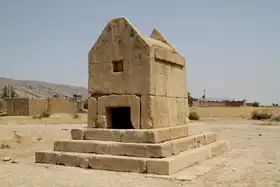
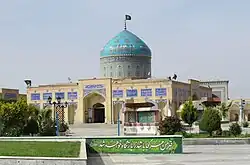
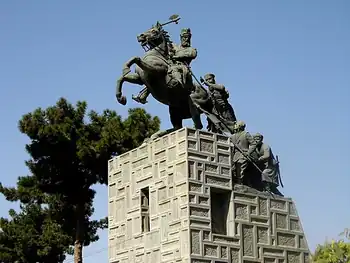
This is a list of mausoleums in Iran, sorted by period established. A mausoleum is a building constructed as a monument enclosing a grave of a person or a group of people.[1] In Iran, a mausoleum can be a standalone building, or it can be attached to a mosque or even function as a mosque.[2] Sometimes such buildings can be known as an Imamzadeh.








See also
References
- ↑ المقام والمرقد والعتبة]، يوسف البيومي، تاريخ الوصول. قناتنا على التلغرام [kitabat.info] (in Persian). April 13, 2013. Archived from the original on November 13, 2017.
- ↑ Esposito, John L. (2003). The Oxford Dictionary of Islam. Oxford: Oxford University Press. p. 136.
- 1 2 3 4 5 "Encyclopaedia of the Iranian Architectural History". Cultural Heritage, Handicrafts and Tourism Organization of Iran. May 19, 2011. Archived from the original on April 6, 2015.
- ↑ Stronach, David (1978). Pasargadae. A Report of the Excavations Conducted by the British Institute of Persian Studies from 1961 to 1963. Oxford: Oxford University Press. pp. 22–23, 42. ISBN 0-19-813190-9.
- ↑ "Gur-e Dokhtar - Iran Culture". Iran Cultura. Retrieved March 7, 2019.
- ↑ Izirtu (2009). Mahabad Cultural & Archaeological Monuments.
- ↑ Dungersi, Mohamed Raza (January 1996). A Brief Biography of Imam Ali bin Musa (a.s.): al-Ridha. CreateSpace Independent Publishing Platform. p. 42. ISBN 978-1502834249. Archived from the original on August 7, 2023. Retrieved October 18, 2020.
- ↑ Yaghoubi, Hosseyn (2004). Beheshti, Arash (ed.). Rāhnamā ye Safar be Ostān e Esfāhān [Travel Guide for the Province Isfahan] (in Persian). Rouzane. p. 119. ISBN 964-334-218-2.
- ↑ بقعه علیبنمجاهد در آستانه تخریب قرار دارد - تسنیم. خبرگزاری تسنیم | Tasnim خبرگزاری تسنیم [Tasnim] (in Persian). Retrieved December 4, 2023.
- ↑ Sanizadeh, Taha (June 22, 2023). "An Investigation of the Historical Evolution of Al-Rashid Bi'llah Mausoleum in Isfahan". Journal of Art and Civilization of the Orient. 11 (40): 55–64. doi:10.22034/jaco.2023.388545.1305. ISSN 2345-6612.
- ↑ "Shah Cheragh Shrine". Iran Tourism and Touring Organization. 2025. Retrieved March 22, 2025.
- ↑ گشت, کرمانشاه (July 3, 2023). آرامگاه ویس قرنی [Uwais al-Qarni Mosque]. کرمانشاه گشت [kermanshahgasht.com] (in Persian). Retrieved December 2, 2023.
- ↑ آرامگاه حیقوق نبی (ع)؛ پیامبری که دو بار از دنیا رفت. تیتر شهر [reader.newshub.ir] (in Persian). Retrieved December 1, 2023.
- ↑ مسجد چهار پادشاهان لاهیجان – جاذبه های گردشگری ایران و جهان با راهنمای سفر ☀️ این تودی. intoday.ir (in Persian). Retrieved December 9, 2023.
- ↑ "Tomb of Saadi". Visit Iran. 2025. Retrieved May 24, 2025.
- ↑ Yaghoubi, Hosseyn (2004). Beheshti, Arash (ed.). Rāhnamā ye Safar be Ostān e Esfāhān [Travel Guide for the Province Isfahan] (in Persian). Rouzane. p. 190. ISBN 964-334-218-2.
- ↑ "Monar Jonban Shakes the World Architecture". GoPersis. November 29, 2022. Retrieved November 19, 2023.
- ↑ Faqih Bahrul Uloom, Mohammed (September 26, 2013). "The tomb of Kedar Nabi, alayhis salaam". Tombs of Iran and the Islamic world.
- ↑ "Imamzadah Baba Qasim". ArchNet.org. n.d. Retrieved May 23, 2025.
- ↑ "Du Manar Dardasht". ArchNet.org. n.d. Retrieved May 23, 2025.
- ↑ بقعه شیخ حیدر مشگینشهر نماد معماری ایلخانان. www.irna.ir (in Persian). May 22, 2023. Retrieved December 16, 2023.
- ↑ معرفی امامزاده عون بن علی و زید بن علی در تبریز. www.shamstoos.ir (in Persian). Retrieved November 30, 2023.
- ↑ آرامگاه بابا رکن الدین ؛ نگین مجموعه تخت فولاد اصفهان - کجارو. kojaro.com (in Persian). February 12, 1979. Retrieved December 2, 2023.
- ↑ "Buq'ah-i Shahshahan". ArchNet.org. n.d. Retrieved May 23, 2025.
- ↑ Aube, Sandra (2020). "TABRIZ x. MONUMENTS x(1). The Blue Mosque". Encyclopædia Iranica Online. Brill. doi:10.1163/2330-4804_EIRO_COM_10934.
- ↑ Rypka, Jan (1968). "Poets and Prose Writers of the Late Saljuq and Mongol Periods". In Boyle, John Andrew (ed.). The Cambridge History of Iran: The Saljuq and Mongol Periods. Vol. 5. Cambridge: Cambridge University Press. p. 587. ISBN 0-521-06936-X.
- ↑ "Sheikh Zahed Gilani's Shrine is one of the national monuments of Iran". IRAN Paradise. March 6, 2021. Retrieved November 29, 2023.
- ↑ "Sheikh Safi al-din Khānegāh and Shrine Ensemble in Ardabil". World Heritage Centre. UNESCO. July 29, 2010. Retrieved August 2, 2010.
- ↑ آرامگاه خواجه ربیع مشهد؛ بنایی به قدمت صفویه [Tomb of Khajeh Rabie: Mashhad attractions, Iran]. safarmarket.com سفرمارکت (in Persian). Retrieved November 30, 2023.
- ↑ "The Tomb of Kalkhoran by Vida Amani | Pattern in Islamic Art". patterninislamicart.com. Retrieved December 12, 2023.
- ↑ آشنایی با بقعه ستی فاطمه و شاهزادگان – اصفهان – همشهری آنلاین. hamshahrionline.ir (in Persian). Retrieved December 12, 2023.
- ↑ بقعه جوانمرد قصاب - مجله مِستر بلیط. مجله مستر بلیط (in Persian). May 16, 2021. Retrieved December 15, 2023.
- ↑ گنبد مشتاقیه ( آرامگاه مشتاقیه ) با تاریخچه و نقشه ☀️ این تودی. intoday.ir (in Persian). Retrieved December 11, 2023.
- ↑ عکس + آدرس و هر آنچه پیش از رفتن باید بدانید. kojaro.com (in Persian). November 21, 2023. Retrieved December 2, 2023.
- ↑ "Mummified body found in Iran could be father of last shah". AP News. Retrieved April 24, 2018.
- ↑ "Omar Khayyam Mausoleum". ArchNet.org. n.d. Retrieved May 31, 2025.
- ↑ "Nader Shah Mausoleum". ArchNet.org. n.d. Retrieved May 31, 2025.
- ↑ Yaghoubi, Hosseyn (2004). Beheshti, Arash (ed.). Rāhnamā ye Safar be Ostān e Esfāhān [Travel Guide for the Province Isfahan] (in Persian). Rouzane. p. 119. ISBN 964-334-218-2.
- ↑ "Ustan-i Imam Khumayni". ArchNet.org.

