Gurdwara Shahid Ganj Singh Singhania
| Gurdwara Shahid Ganj Singh Singhania | |
|---|---|
ਗੁਰਦੁਆਰਾ ਸ਼ਹੀਦ ਗੰਜ ਸਿੰਘ ਸਿੰਘਣੀਆਂ | |
| Religion | |
| Affiliation | Sikhism |
| Location | |
| Location | Naulakha Bazaar, Lahore |
| State | Punjab |
| Country | Pakistan |
| Coordinates | 31°34′43″N 74°19′56″E / 31.578579°N 74.332091°E |
| Architecture | |
| Groundbreaking | 1716 |
| Completed | 1753 |
| Website | |
| sites | |
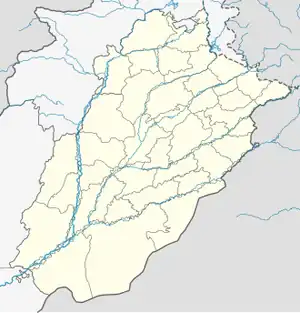

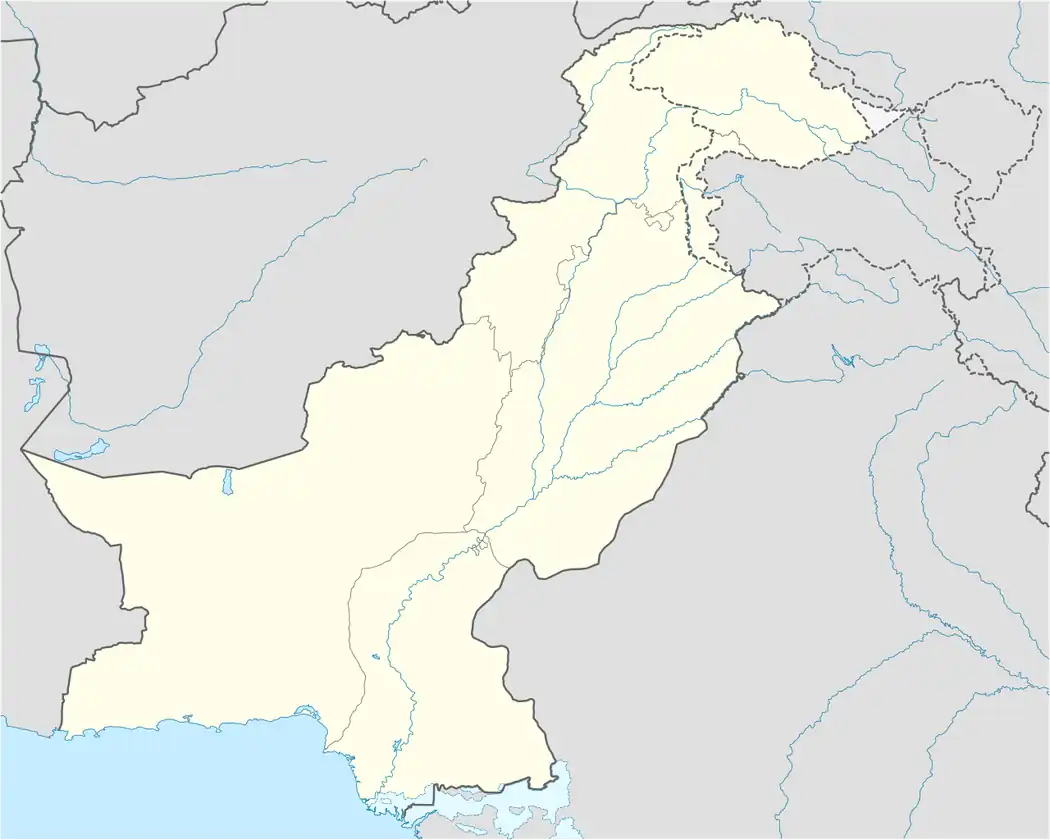
The Gurdwara Shahid Ganj Singh Singhania, also known as Gurdwara Shaheedganj Singh Singhnian, is a historic Sikh gurdwara at Shahidganj in Naulakha Bazaar in Lahore, Pakistan,[1] which marks the site where over 100,000 Sikh men and women lost their lives in the 18th century.[2][3][4][5] According to Neelum Naz, 250,000 Sikhs were killed at the site during the 18th century.[6][7] Sikhs were executed at the site during the periods of Zakaria Khan, Yahya Khan, Shah Nawaz Khan, Mir Mannu, and Adina Beg.[8] It is located opposite of Gurdwara Bhai Taru Singh.[9][8] Bhai Mani Singh was martyred at this site on 14 June 1738.[10][11][12][13]
History
Zakaria Khan
In 1721, Zakariya Khan was appointed governor of Lahore by the Mughal court and embarked on a campaign to eradicate the Sikhs.[14] In 1739, hundred of Sikhs were rounded-up and executed at Lahore at a horse-market that later became known as Shahidganj.[15] Furthermore, anyone caught helping Sikhs would be punished and those who cut the hair of Sikhs, provided a Sikh head, or gave intel on Sikhs were rewarded.[15] In 1745, Zakaria Khan sent a force to Phula village to arrest Bhai Taru Singh, as he had been providing assistance to Sikhs. Bhai Taru Singh was subsequently executed at Lahore.[15]
Yahya Khan
During the Chhota Ghallughara of 1746, the Sikh inhabitants of Lahore were first rounded up, then executed on 10 March 1746.[16][17][18] Hundreds of Sikhs living in Lahore were rounded up and executed.[19][15] The captives from the group of Sikhs that had been originally encamped in the Kahnuwan jungle but later captured while attempting to escape were marched back to Lahore, paraded in the streets and publicly beheaded.[20][17][21] For months, they were held and paraded atop of donkeys in Lahore.[22] The captured Sikhs were ultimately killed specifically at Nakhas Chowk in Lahore.[17][21] The heads of thousands of Sikhs were carried on carts and hung at the gates of Lahore as trophies.[14] Minarets were constructed out of piles of dismembered Sikh heads and their decapitated and mangled bodies were buried within the walls of a mosque.[21]
Shah Nawaz and Mir Mannu

The Mughals officially restarted their anti-Sikh campaign with the appointment of Shah Nawaz as subahdar in 1747.[15] Mir Mannu established a building resembling a mosque at the site where muftis (Muslim judges) would give captives the join between conversion to Islam or execution.[6] Between 1748–53, Mir Mannu had conducted his own persecution of the Sikhs and captured five-hundred Sikhs at Ram Rauni through the assistance of Adina Beg.[15] These Sikhs were tortured and executed at the place now known as Shahidganj in Lahore on the occasion of Eid.[15]
Punjabi historian Ganesh Das makes note of the site of being where many Sikhs were executed:[8]
Large numbers of them (i.e. Sikhs) were shot down, while many others were brought in chains to Lahore where they were executed at a place near the Nakhas outside the Delhi gate, which afterwards came to be called Shahid Ganj
— Ganesh Das, 198; Tahqiqat-e-Chisthi, 101
Sikh women and children were kept in jails at the site, with them being forced to grind wheat and made to starve. The sons of the women were beheaded and their remains thrown into seven nearby wells.[6] According to Sikhs, Sikhs captured by the Pahari Rajas were brought to Lahore, where Mir Mannu beginning in 1748 would tortured and executed them. The torturers would throw Sikh babies in the air and catch them on their spears. Sikh mothers of slain children would have pieces of their murdered children places around their neck as a garland by their captors.[1] Diwan Kaura Mal requested the Sikhs to assist Mir Mannu during the Battle of Multan, therefore he gave the Sikhs control over the site in-response. The Sikhs then built a shrine at the site.[6]
Recent history
In 1935, a new gurdwara building replaced the old one. A well and kothri were located at the premises.[1] After partition in 1947, the gurdwara became controlled by the Evacuee Trust Property Board.[6] The gurdwara is one of the few Sikh temples still in operation as their original function in Pakistan.[23][6]
Location
The shrine is located in Naulakha Bazaar at the coordinates 31°34'42.8"N 74°19'55.4"E.[1]
Architecture
The structure is made out of marble and combines old and new styles. A portico is situated on a podium in the centre of the site. The interior of the site is embellished. The remains of holding cells and student quarters can be found at the site.[6]
See also
References
- 1 2 3 4 Butalia, Tarunjit Singh (April 2025). Sikh Historical Shrines in Pakistan: Lahore District (PDF) (1st ed.). Jeevay Sanjha Punjab. p. 13.
- ↑ "Express Fact Check: Visas for pilgrims: 15 shrines in Pak, 5 in India under protocol". The Indian Express. 27 November 2018. Retrieved 10 December 2019.
- ↑ Singh, Ganda (1935). History of the Gurdwara Shahidganj, Lahore: From Its Origin to November 1935. S. Ganda Singh.
- ↑ "Role of Sikh Women in 18th Century Khalsa Struggle - Lessons for Today". SikhNet. 28 December 2015. Retrieved 10 December 2019.
- ↑ "Gurudwara Shaheed Ganj Singh Singhnian, Naulakha Bazar, Lahore". World Gurudwaras. Retrieved 10 December 2019.
- 1 2 3 4 5 6 7 Naz, Neelum. A Historical and Social Portrait: Naulakha Bazaar, Lahore. Landscape, no. 37, 2012. Retrieved on 24 April 2026 from: https://www.academia.edu/11753016/Spatial_and_Social_Portrait_of_Naulakha_Bazaar_Lahore
- ↑ Majid Sheikh (28 February 2016). "Twists and turns in the history of Naulakha Bazaar". Dawn (newspaper). Retrieved 7 March 2021.
- 1 2 3 Singh, Gurmukh. "Gurdwara Shahid Ganj Singh Singhania, Lahore". Sikh Missionary Society. United Kingdom. Retrieved 22 February 2026.
- ↑ "GURDWARA SHAHID GANJ SINGHNIAN LAHORE". Shiromani Gurdwara Parbandhak Committee. Retrieved 10 December 2019.
- ↑ "Featured on his martyrdom day: Brief life-scketch of Bhai Mani Singh Ji Shaheed". Sikh Siyasat News. 9 July 2014. Archived from the original on 10 December 2019. Retrieved 10 December 2019.
- ↑ "WELCOME TO CHHOTA GHALLUGHARA (GURDASPUR)". Punjab Tourism. Retrieved 10 December 2019.
- ↑ Singh, Dr Preetam; Q.C (2003). Baisakhi Of The Khalsa Panth. Hemkunt Press. ISBN 978-81-7010-327-1.
- ↑ "Sikh Religion Online: Sikh Stories: Shaheed Ganj, Lahore". www.rajkaregakhalsa.com. Retrieved 10 December 2019.
- 1 2 Anand, Seema; Singh, Kashmir. "Śaradhā dē dhāma: Sikha itihāsa'ca ahima sathāna rakhadai guradu'ārā chōṭā ghalūghārā sāhiba, takarībana 15 hazāra sighāṁ, sighaṇī'āṁ tē baci'āṁ nū kītā gi'ā sī śahīda" ਸ਼ਰਧਾ ਦੇ ਧਾਮ : ਸਿੱਖ ਇਤਿਹਾਸ ’ਚ ਅਹਿਮ ਸਥਾਨ ਰੱਖਦੈ ਗੁਰਦੁਆਰਾ ਛੋਟਾ ਘੱਲੂਘਾਰਾ ਸਾਹਿਬ, ਤਕਰੀਬਨ 15 ਹਜ਼ਾਰ ਸਿੰਘਾਂ, ਸਿੰਘਣੀਆਂ ਤੇ ਬੱਚਿਆਂ ਨੂੰ ਕੀਤਾ ਗਿਆ ਸੀ ਸ਼ਹੀਦ [Abode of Devotion: Gurdwara Chhota Ghallughara Sahib holds an important place in Sikh history; approximately 15,000 Sikh men, women, and children were martyred here]. Punjabi Jagran (in Punjabi). Qadian. Retrieved 21 February 2026.
- 1 2 3 4 5 6 7 Singh, Harinder (31 December 2024). "Ghallugharas & Raj: Exterminations to Sovereignty". Sikh Research Institute. Retrieved 22 February 2026.
- ↑ Singh, Harbans (1998). The Encyclopaedia of Sikhism: E-L. Punjabi University. p. 462. ISBN 9788173802041.
- 1 2 3 Sodhi, Harjinder; Ganeshpur, Jagjit Singh (14 May 2019). "Aja ghalūghārā divasa'tē: Sikha itihāsa dā ahima sākā chōṭā ghalūghārā" ਅੱਜ ਘੱਲੂਘਾਰਾ ਦਿਵਸ 'ਤੇ : ਸਿੱਖ ਇਤਿਹਾਸ ਦਾ ਅਹਿਮ ਸਾਕਾ ਛੋਟਾ ਘੱਲੂਘਾਰਾ [On Ghalughara Day: The Significant Episode of "Chhota Ghalughara"]. Punjabi Jagran (in Punjabi). Retrieved 22 February 2026.
- ↑ Singh, Harinder (20 May 2025). "Chota Ghallughara: Remembering 1746". Sikh Research Institute. Retrieved 22 February 2026.
- ↑ "Chhota Ghallughara | District Gurdaspur, Government of Punjab | India". Retrieved 2 October 2021.
- ↑ B.S. Nijjar, "Chhota Ghallughara", The Encyclopedia of Sikhism, Volume I, Patiala, Punjabi University, 1995, pp.460–61.
- 1 2 3 "Chōṭā ghalūghārā sarōta: Pajāba kōśa–jilada pahilī, bhāśā vibhāga pajāba" ਛੋਟਾ ਘੱਲੂਘਾਰਾ ਸਰੋਤ : ਪੰਜਾਬ ਕੋਸ਼–ਜਿਲਦ ਪਹਿਲੀ, ਭਾਸ਼ਾ ਵਿਭਾਗ ਪੰਜਾਬ [Chhota Ghallughara (The Minor Holocaust); Source: Punjab Kosh – Volume 1, Language Department Punjab]. Punjabipedia (in Punjabi). Patiala: Punjabi University. 13 August 2018. Retrieved 22 February 2026.
- ↑ Singh, Harinder (20 May 2025). "Chota Ghallughara: Remembering 1746". Sikh Research Institute. Retrieved 22 February 2026.
- ↑ Rana, Yudhvir (22 September 2012). "Pakistan allows Indian Sikhs to visit four more gurdwaras". Times of India. Retrieved 20 April 2026.
External links
 Sikh sites in Pakistan  | |||||
|---|---|---|---|---|---|
| Sikh temples |
| ||||
| Samadhs | |||||
| Havelis | |||||
| Schools |
| ||||
| Other sites | |||||